When it comes to money, tax is one of the most emotive subjects around. Everyone agrees we should all pay our fair share. But what constitutes “fair” is where things get murky, especially when the line between tax efficiency and tax avoidance gets blurred in the media.
Unfortunately, headlines often paint anyone who reduces their tax bill as dodgy, unethical, or somehow “gaming the system.” It’s a lazy narrative, and one that does a disservice to responsible individuals who are simply planning sensibly and within the law.
What Is Tax Efficiency?
Tax efficiency is about structuring your finances in a way that reduces unnecessary tax liabilities — not through loopholes or deception, but by using the allowances, reliefs, and legal structures that governments themselves put in place to encourage good behaviour.
For example:
- Using your ISA allowance in the UK.
- Contributing to a pension to benefit from tax relief.
- Structuring investments via a bond or trust to defer or reduce tax.
- Claiming treaty relief under a Double Tax Agreement when you’re living abroad.
These are all legal, encouraged, and completely above board. In fact, failing to use them can amount to paying more tax than necessary — which isn’t noble, just inefficient.
Why the Media Gets It Wrong
There’s a growing tendency in the press to lump tax efficiency together with tax avoidance — and to imply that both are dirty words. But there’s a world of difference between using your pension allowance and shifting profits through shell companies in tax havens.
The problem is that nuance doesn’t sell newspapers. “Ordinary person uses ISA allowance” isn’t exactly a gripping headline. But “celebrity uses offshore structure” — now that gets attention, even if what they’re doing is perfectly legal and appropriate.
In the eyes of the media, being tax-savvy often gets mistaken for being sneaky.

The Importance of Good Planning
As a financial planner, my job isn’t to help clients avoid tax. It’s to help them stay compliant, plan ahead, and avoid any nasty surprises — all while making the most of what they’re legally entitled to.
If you’re living abroad, investing for the long term, building up a pension, or thinking about intergenerational wealth, tax efficiency isn’t a luxury — it’s a necessity.
It’s about making sure more of your wealth goes where you want it to — whether that’s your retirement, your children, or a charitable legacy — rather than being lost unnecessarily due to a lack of planning.
Tax Planning = Financial Responsibility
The reality is, governments change tax rules all the time. Sometimes with good reason. Sometimes with unintended consequences. Either way, it makes sense to be proactive.
Being informed. Staying compliant. Making the most of the legal structures available. That’s not avoidance. That’s just smart planning.
And it shouldn’t come with a side order of guilt.
Work with a trusted professional
If you live abroad, I work closely with a wide network of trusted professionals across multiple jurisdictions. I’m always happy to make introductions to experienced tax specialists who can guide you through the local rules and help you make informed, compliant decisions.
Benefit from comprehensive, integrated, and objective advice.
Let’s discuss your specific needs and how I can help you meet your objectives
Let’s start the conversation
Online enquiry form
Related posts
 Published On: October 5, 2026|4.9 min read|
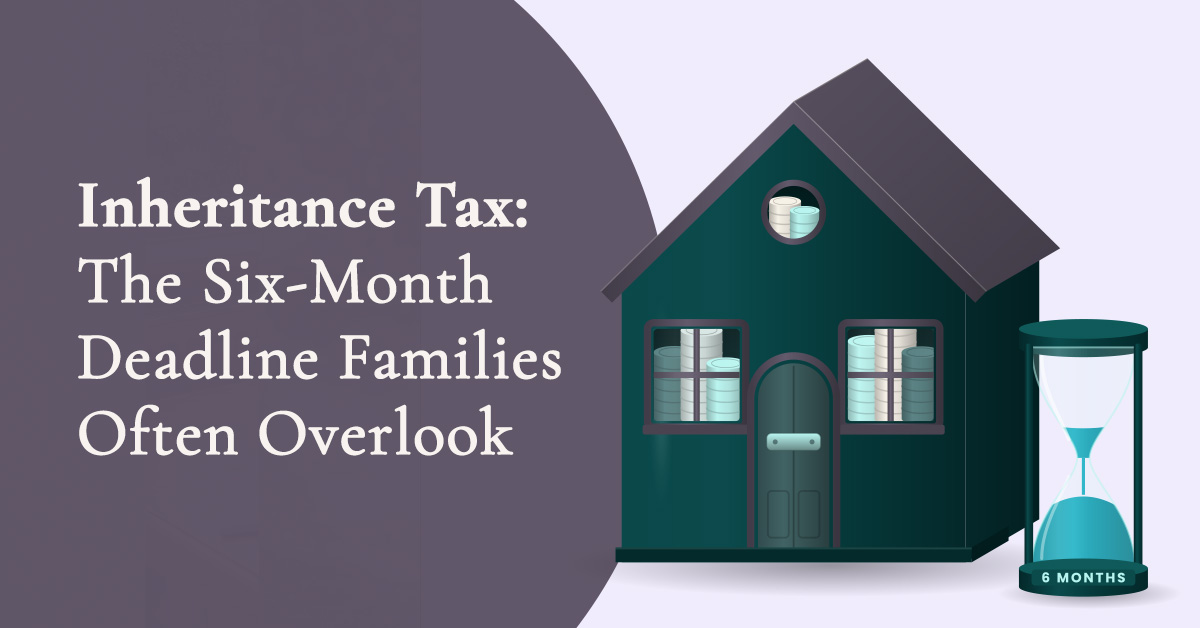
Inheritance Tax: The Six-Month Deadline Families Often Overlook
Inheritance tax is usually due within six months, often before the house can be sold. How executors can pay it when the wealth is tied up in property.
Read more
 Published On: September 28, 2026|7.6 min read|
Your Pensions Don’t Know You Have Other Pensions
Most people collect several pensions over a working life, but none of them know the others exist. Why that's a collection of pots, not a retirement plan.
Read more
 Published On: September 18, 2026|5.4 min read|
The Risk Hiding in the ‘Safe’ Part of Your Portfolio
Your pension may hold more gilts than you realise. How the bond market prices government borrowing, and why "safe" is not the same as free from risk.
Read more