

Your loved ones deserve to reap the benefits of your estate after your death, which is why inheritance tax can seem like a particularly cruel charge at a time of grief.
There are ways of reducing the tax burden, however, and a pension can play an important part in that.
How Does a Pension Reduce Your Inheritance Tax Bill?
The money that you place into a pension is not subject to inheritance tax, as it is not technically part of your estate. Upon your death, other assets such as your home, chattels, cash in the bank etc will all be deemed to be part of your estate but your pensions will not. Any residual money left in defined contribution schemes can therefore be passed free from IHT. This means, in theory, you can place your lifetime pension allowance into a defined contribution pension and then leave it for your family without worrying about death taxes. For this to be successful, you will need to fund your retirement using other assets.
You can place money in an ISA, savings account or investigate other investments that will ensure you live a comfortable retirement, without having to dip into your retirement fund.

What Type of Pension Should You Invest In?
If you are looking to use a pension with the intention of reducing your inheritance tax bill, then you should choose a defined contribution pension, like a SIPP. This type of pension can be inherited by a designated person at any age.
Although not subject to inheritance tax, It is worth noting, that any withdrawals from the inherited pension by your nominated beneficiary, will be subject to income tax at the recipients marginal rate if you die after the age of 75. If you die before this age, the money will be tax-free. The money must be designated within a two-year window.
How to Pass on Your Pension
Because it is not a part of your estate, there are some rules as to how you can pass your pension on. You should, of course, leave these details in your will. But you should also nominate a beneficiary to receive your pension on death, by completing a beneficiary nomination form. This is a very simple process and the form can be provided by your pension administrator and kept on file. You should ensure that this form is kept up to date.
Contributing to Family Pensions
Another clever way of reducing your estate and maximizing your family’s inheritance is to contribute to their pensions. There are caps on the amount you can pay in each year, and the other person will need to agree to the contribution. There are obviously many other considerations should you decide to do this, but it can be beneficial for both recipient and donor and is something to talk to your financial advisor about.
The ease of using your pension to mitigate inheritance tax will depend on a number of factors.
It is always a good idea to talk to an expert before making any financial decisions.
Let’s start the conversation
Online enquiry form
Related posts
 Published On: October 5, 2026|4.9 min read|
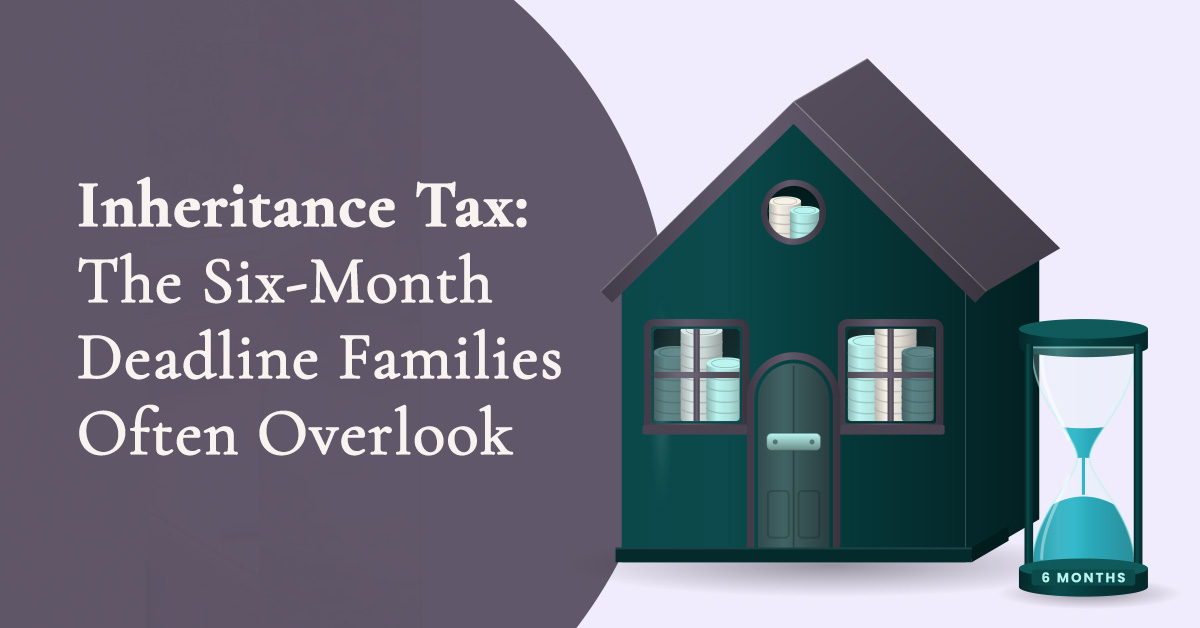
Inheritance Tax: The Six-Month Deadline Families Often Overlook
Inheritance tax is usually due within six months, often before the house can be sold. How executors can pay it when the wealth is tied up in property.
Read more
 Published On: September 28, 2026|7.6 min read|
Your Pensions Don’t Know You Have Other Pensions
Most people collect several pensions over a working life, but none of them know the others exist. Why that's a collection of pots, not a retirement plan.
Read more
 Published On: June 24, 2026|6.6 min read|
UK State Pension Abroad: Frozen Pensions, National Insurance Changes and What Expats Need to Know
Recent changes to voluntary National Insurance contributions, frozen pension rules and the hidden risks facing expatriate families.
Read more