

Should you continue to make pension contributions?
With steady decreases in the value of the LTA over time. More and more individuals are finding themselves in excess of the lifetime allowance prior to their planned retirement.
LTA levels have fluctuated significantly in recent years and with the pension freedom rules making the impact they have, the necessity to continue planning for retirement is as prevalent as ever.
And so, the big question arises ..
Once you have reached the lifetime limit, should you continue your pension contributions?
There is, unfortunately, no one size fits all answer. This will always come down to personal circumstances and choice.
It is important to remember that the LTA isn’t a ceiling on what can be saved into pensions, and there are many good reasons to continue saving into your pension. Exceeding the lifetime allowance might be the best option for you.
Especially If you are receiving employer contributions, the benefit of this might still outweigh additional tax when you ultimately start to make withdrawals in retirement.
Even if this is subject to 25% tax as regular income above LTA, your employer-matched contribution negates the cost.

Key factors will be whether your employer will stop their funding if you opt-out, so essentially losing out on contributions from your employer.
If you can still receive this, but as a cash equivalent, as some employers do offer. You will need to find out how the NI contributions will be treated. The employer may only be prepared to offer an amount equal to the exact net cost as the pension contribution (i.e. after the employer’s NI liability).
Remember that employer pension contributions are essentially ‘free money.’ So you may still be better off if you suffer an LTA charge. Making it more financially sensible to continue.
It’s true that the picture may change if your employer is prepared to offer the additional salary, instead of making pension contributions. But here, It’s also important to consider the likely tax position when you come to withdraw the funds.
If pension income is taxed at a higher rate in retirement, it may be better to take the extra salary and invest it elsewhere.
But if income is extracted from the pension at the basic rate, then it swings more in favour of funding beyond the LTA. Even with the 25% tax charge.
Other factors could also come into play, such as unused personal allowances, the starting rate band for savings and the personal savings allowance. Of course, the availability of these will very much depend on your circumstances.
If you do take the cash alternative, you will receive a higher income and pay additional taxes now. Possibly pushing you into a higher tax bracket. You will also have to think of the best alternative to a pension, to build your retirement wealth outside of pension arrangements. This is likely to be a vehicle such as an ISA. The responsibility for saving/ investing in this way will sit with you, rather than the employer/pension fund.

Tax implications
The alternatives to continuing with pension contributions will also have their own tax consequences to be worked through before arriving at the most suitable outcome. The current tax-free ISA allowance is £20,000 per person per tax year. And an important reminder that pensions are not subject to Inheritance Tax, whereas alternative investments such as ISAs are.
The best course of action is to get more clarity on what your employer will offer as a cash alternative (if any). And consider what tax bracket you are likely to fall under when it comes to retiring. Then you will be in a better poison to make a confident decision.
Ultimately, it comes down to your circumstances and current arrangements.
If you want to discuss your situation in detail and plan for the future by maximising the available opportunities, don’t hesitate to get in touch.
Let’s start the conversation
Online enquiry form
Related posts
 Published On: September 28, 2026|7.6 min read|
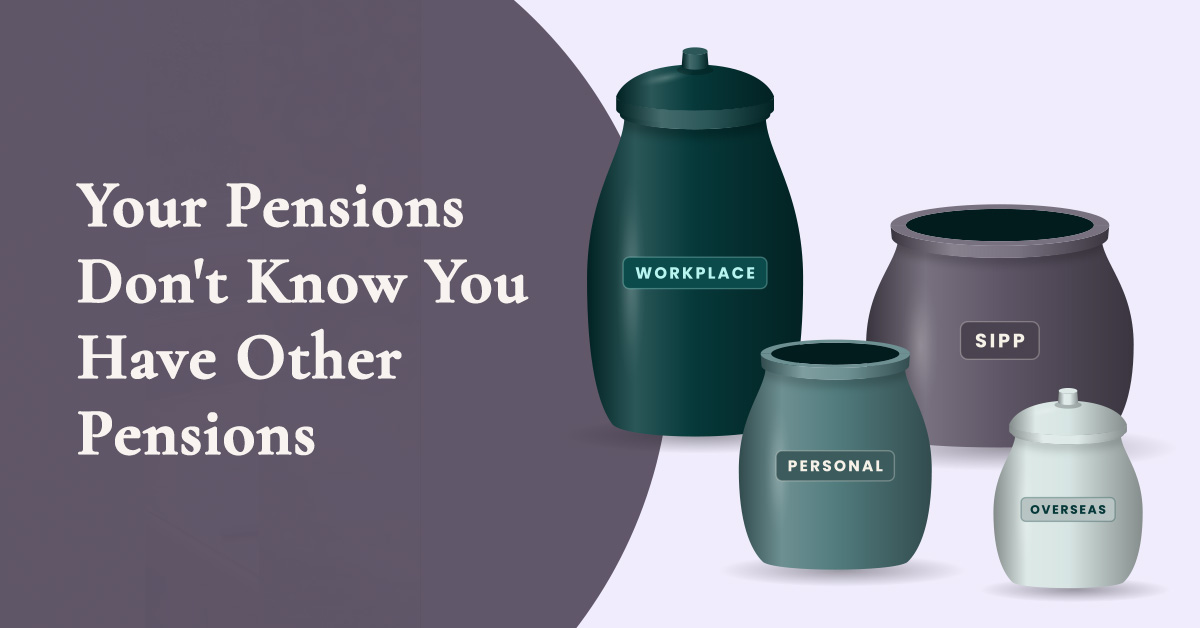
Your Pensions Don’t Know You Have Other Pensions
Most people collect several pensions over a working life, but none of them know the others exist. Why that's a collection of pots, not a retirement plan.
Read more
 Published On: June 24, 2026|6.6 min read|
UK State Pension Abroad: Frozen Pensions, National Insurance Changes and What Expats Need to Know
Recent changes to voluntary National Insurance contributions, frozen pension rules and the hidden risks facing expatriate families.
Read more
 Published On: April 8, 2026|3.6 min read|
Why Playing It Safe in Retirement Can Cost You More Than You Think
By the time most people reach retirement, something subtle but important has changed in the way they think about investing. Growth, which once felt necessary, starts to feel optional. Risk, which was once tolerated, becomes something to avoid.
Read more